Picking the right GPS tracker in 2026 feels overwhelming at first. Walk into any online store or scroll through reviews, and you’ll see dozens of options promising pinpoint accuracy, endless battery life, and all sorts of bells and whistles. But after seeing how quickly technology has moved forward—especially with better cellular integration and smarter apps—I’ve learned the hard way that flashy features often hide mediocre real-world performance. The truth is, most people end up wasting money because they jump on the cheapest deal or the one with the longest list of specs without thinking about what they actually need.
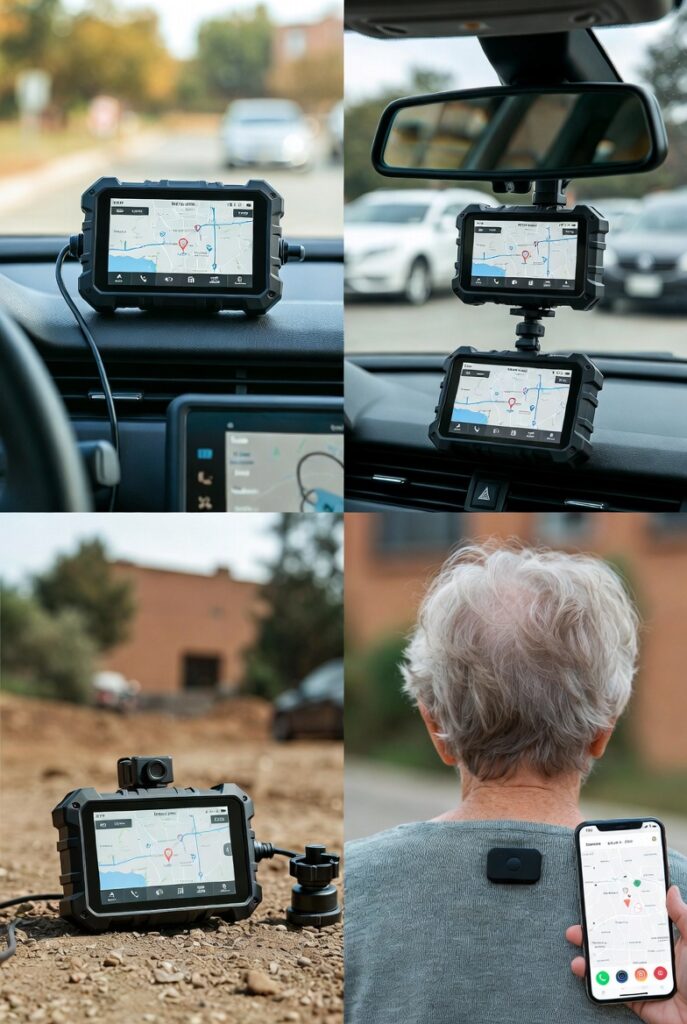
Start by getting really clear on why you’re buying one. Are you trying to keep an eye on a teenage driver just getting behind the wheel? Worried about your car sitting in a parking lot downtown while you’re at work? Maybe you’re protecting tools on a job site or making sure a family member with dementia doesn’t wander too far. Your purpose shapes everything else. A parent tracking a new driver probably cares most about speed alerts, harsh braking notifications, and easy-to-read trip history. Someone hiding a device for theft recovery wants something small, magnetic, and completely discreet that won’t drain the vehicle’s battery or get spotted easily.
Once you know your main goal, look at how the tracker connects and updates. Real-time tracking has become standard in 2026, thanks to widespread 4G LTE and even some 5G options creeping in. Avoid anything still relying on older 3G networks—those are being phased out in many places, leaving you with delayed or spotty updates. Real-time means you get location pings every few seconds when the vehicle moves, which matters hugely if something gets stolen. Pair that with strong geofencing: you draw a virtual boundary on the map, and the app notifies you instantly if the device crosses it. I’ve seen people regret skipping this feature when a teen sneaks out or an employee takes the work van home without permission.
Battery life separates the reliable trackers from the frustrating ones. If you’re going for a hardwired or OBD-II plug-in model—those that tap directly into the car’s power—the battery concern mostly disappears. Devices like the Bouncie plug straight into the diagnostic port, give you vehicle health data alongside location, and never need recharging. They’re fantastic for everyday monitoring because they pull power continuously and often add extras like fuel level readings or engine diagnostics. But if you need something portable or hidden under a vehicle or trailer, battery-powered units shine. Magnetic mounts have gotten incredibly strong and weatherproof, letting you slap the tracker on in seconds without tools. Look for ones claiming at least a couple of weeks of life in real use—many hit 14 days or more with smart power management that only wakes up on motion. Just remember, longer battery usually means slightly bulkier devices, so balance that against how discreet you need it to be.
Speaking of discretion, size and placement matter more than most people realize. Tiny trackers that fit in a glovebox or under a seat work great for personal vehicles, while rugged, magnetic ones handle outdoor exposure on trailers or equipment. Waterproofing and shock resistance have improved across the board, but always check reviews for real stories about how they hold up in rain, heat, or bumpy roads.
The app experience can make or break the whole thing. A clunky interface turns useful data into a headache. The best ones feel intuitive right away—clean maps, quick alerts via push notifications, and the ability to replay trips with speed and route details. Some even throw in driver behavior scoring, which helps parents coach new drivers or fleet managers spot risky habits early. Push notifications need to be reliable too; flaky ones mean you miss an important alert when it actually happens.
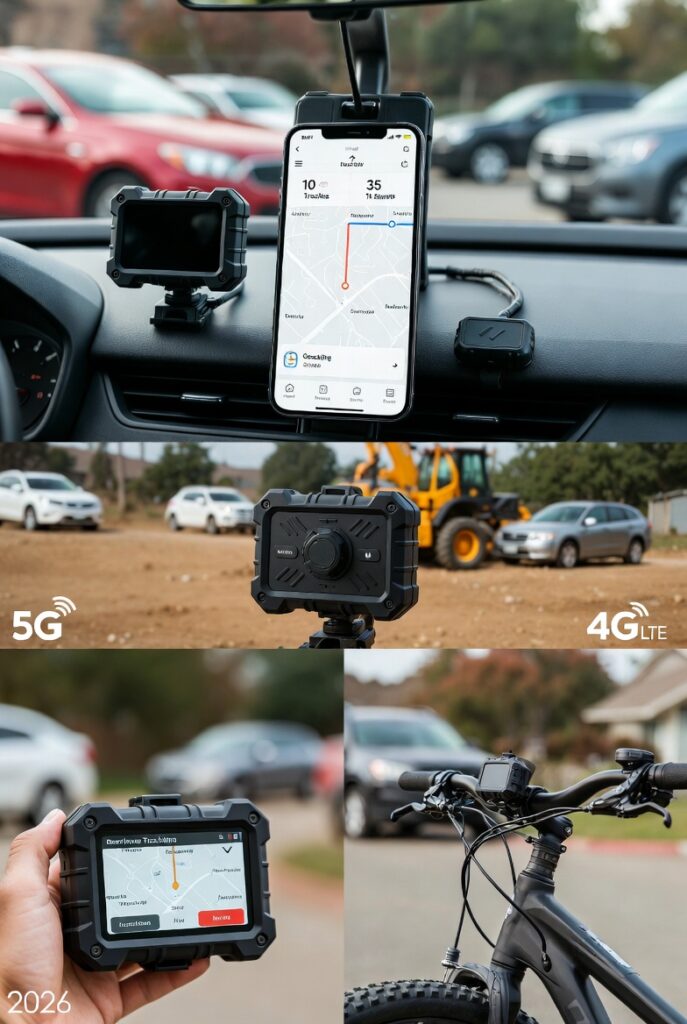
Cost creeps up fast if you’re not careful. The hardware itself often looks affordable—sometimes under $100—but the subscription for cellular data and app access is where the real expense lives. Plans range from a few dollars a month for basic tracking to higher tiers with more frequent updates or extra features. Avoid long contracts if possible; flexible no-lock-in options give you room to switch if the service disappoints. A few trackers still push no-monthly-fee models, but those usually rely on less reliable tech or limited range, so read the fine print.
Finally, think about extras that might tip the scales. SOS buttons for personal safety trackers, tamper alerts if someone tries to remove the device, or integration with dash cams for context around incidents. These aren’t must-haves for everyone, but they add real value depending on your situation.
At the end of the day, the right GPS tracker isn’t the most expensive or feature-packed one—it’s the one that quietly does what you need without headaches. Spend a little time matching the device to your exact scenario, check recent user experiences (things change fast), and you’ll avoid the common trap of buying something that sounds great on paper but frustrates you in practice. Once it’s set up and working reliably, that peace of mind makes the whole process worth it.
Leave a Reply
You must be logged in to post a comment.