

Advanced mapping technology has moved well beyond its early role as a navigation aid. Today, it sits at the center of how modern businesses understand their environment, make decisions, and stay competitive. As markets become more complex and customer expectations rise, organizations are realizing that accurate, dynamic spatial data is no longer a luxury but a core operational asset.
At its foundation, advanced mapping technology transforms raw location data into meaningful insight. Businesses generate enormous volumes of geographically linked information every day, from customer addresses and delivery routes to infrastructure assets and sales territories. When this data is visualized and analyzed spatially, patterns emerge that are difficult or impossible to detect in spreadsheets or traditional reports. Leaders gain a clearer picture of how different variables interact across regions, allowing them to move from reactive decision-making to proactive strategy.
Operational efficiency is one of the most immediate benefits. Companies with logistics or field operations depend on precise location intelligence to reduce costs and improve reliability. Advanced mapping systems enable route optimization based on real-world conditions, asset tracking in real time, and better coordination between teams in the field and those at headquarters. Over time, these efficiencies compound, resulting in faster service delivery, lower fuel consumption, and reduced operational waste.

Beyond internal operations, mapping technology plays a critical role in understanding customers. Consumer behavior is inherently tied to location, influenced by factors such as accessibility, demographics, and local competition. By integrating mapping tools with customer data, businesses can identify underserved markets, refine site selection strategies, and tailor offerings to specific regions. Retailers, financial institutions, and service providers alike rely on spatial insights to ensure that their presence aligns with demand rather than assumption.
Risk management is another area where advanced mapping has become indispensable. Natural disasters, supply chain disruptions, and infrastructure failures all have geographic dimensions. Businesses that leverage real-time and predictive mapping tools can assess exposure, plan contingencies, and respond more effectively when disruptions occur. This capability is particularly valuable in industries such as insurance, utilities, construction, and energy, where location-based risks directly impact profitability and safety.

The strategic value of mapping technology is also growing as organizations adopt data-driven planning models. Expansion decisions, whether entering a new market or consolidating operations, benefit from spatial analysis that incorporates economic indicators, population trends, and competitive landscapes. Advanced mapping platforms allow decision-makers to test scenarios visually, reducing uncertainty and supporting more confident investments.
Technology advancements have made these tools more accessible and powerful than ever before. Cloud-based platforms, integration with Internet of Things devices, and real-time data feeds have transformed mapping from a static reference into a living system. Businesses can now update and share location intelligence across departments instantly, ensuring that everyone operates with the same up-to-date information. This shared visibility fosters collaboration and aligns teams around a common understanding of the business environment.
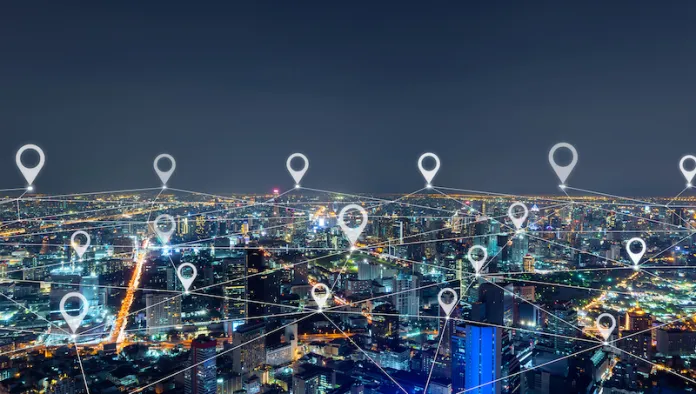
There is also a growing expectation from customers and partners for location-aware experiences. Whether it is accurate delivery tracking, localized services, or transparent communication during disruptions, advanced mapping supports the level of responsiveness that modern stakeholders demand. Companies that invest in these capabilities signal reliability and professionalism, strengthening trust and long-term relationships.
As competition intensifies and margins tighten, the ability to see the bigger picture while managing details on the ground becomes a defining advantage. Advanced mapping technology provides that perspective, connecting data to place and strategy to reality. For modern businesses, it is not simply a tool for visualization, but a framework for smarter decisions, resilient operations, and sustainable growth.
Leave a Reply
You must be logged in to post a comment.